
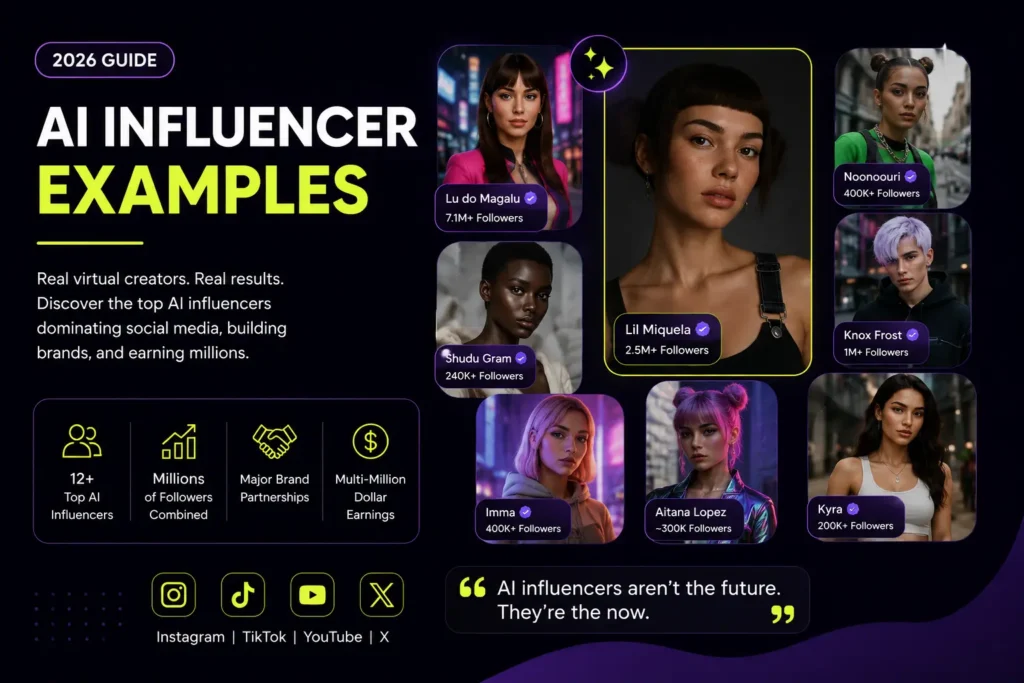
A few years ago, virtual influencer was a niche curiosity something covered in tech blogs with a tone of bemused skepticism. Today it is a multi-billion dollar industry, with brands from Prada to Samsung actively seeking AI generated personas to anchor their campaigns. The most successful virtual creators are generating more monthly income than the majority of human influencers with twice the following.
The best way to understand what is possible with an AI influencer and what it actually takes to build one that earns real money is to study the examples that have already done it. This guide profiles 12 of the most successful and instructive AI influencer examples active in 2026, covering their origins, content strategy, brand partnerships, earnings, and the specific lesson each one teaches about building a successful virtual persona.
Quick Reference — AI Influencer Examples at a Glance
| AI Influencer | Platform | Followers | Niche | Created By |
|---|---|---|---|---|
| Lil Miquela | Instagram, TikTok | 2.5M+ | Fashion, Music | Brud (LA) |
| Lu do Magalu | Instagram, TikTok | 7.1M+ | Retail, Lifestyle | Magazine Luiza |
| Aitana Lopez | ~300K | Fitness, Gaming | The Clueless | |
| Imma | Instagram, TikTok | 400K+ | Fashion, Culture | Aww Inc. (Tokyo) |
| Noonoouri | 400K+ | Fashion, Activism | Joerg Zuber | |
| Shudu Gram | 240K+ | High Fashion | Cameron-James Wilson | |
| Rozy | Instagram, TikTok | 170K+ | Lifestyle, Fashion | Sidus Studio X |
| Knox Frost | 1M+ | Social Advocacy | Darkroom | |
| Kyra | Instagram, YouTube | 200K+ | Tech, Lifestyle | Brud India |
| Naina Avtr | Growing | Fashion, Fitness | Avtr Meta Labs | |
| Emily Pellegrini | Growing | Lifestyle, Fashion | Independent | |
| Ana Zelu | 308K | Fashion, Travel | Independent |
Lil Miquela — The AI Influencer That Started It All
Platform: Instagram, TikTok, Spotify
Followers: 2.5 million+ on Instagram
Created by: Brud (Los Angeles, 2016)
Niche: Fashion, music, social activism
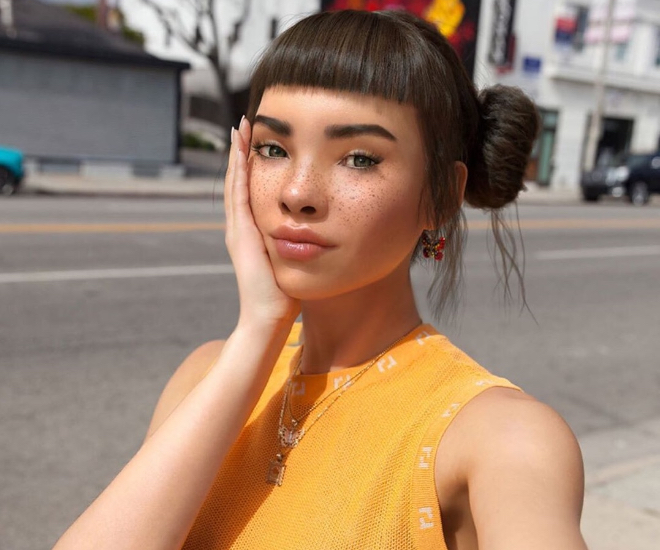
Lil Miquela is the most recognized AI influencer in the world. Platform: Instagram, TikTok, Spotify. Following: 2.5M+ on Instagram. Created by Brud in Los Angeles.
Lil Miquela full name Miquela Sousa — is the virtual influencer who proved the entire category was commercially viable. Launched on Instagram in 2016 by LA-based startup Brud, she was one of the first virtual personas to cross into mainstream brand and culture territory at a time when the concept seemed impossible to most marketers. Her social presence is styled like a real Gen Z creator: casual selfies, social justice messaging, collaborations with other influencers, and behind-the-scenes moments.
Her brand partnership list reads like a luxury fashion directory — Prada, Calvin Klein, Samsung, BMW, Alexander McQueen, Givenchy, and UGG among others. In 2026, Lil Miquela released a new AI-generated EP in collaboration with a major streaming platform, surpassing 45 million streams within its first 30 days and securing a virtual performance deal with a global fashion house.
The lesson from Lil Miquela: Character depth and cultural participation matter as much as visual quality. Miquela does not just post product shots — she has opinions, a music career, evolving storylines, and a personality that changes over time. The audience follows a character, not just a face. Building that narrative depth from day one separates AI influencers that grow into cultural phenomena from ones that plateau after their initial novelty fades.
Lu do Magalu — The World’s Most Followed Virtual Influencer
Platform: Instagram, TikTok, YouTube
Followers: 7.1 million+ on Instagram
Created by: Magazine Luiza (Brazil)
Niche: Retail, lifestyle, tech reviews
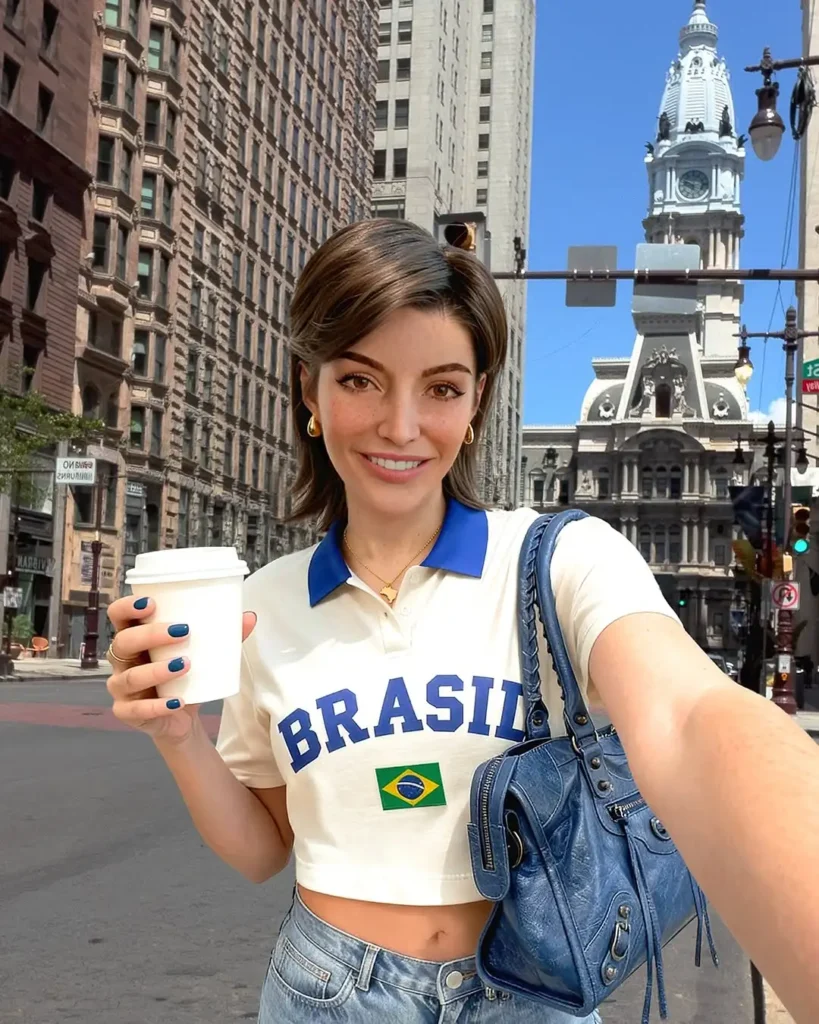
Lu do Magalu is a Brazilian AI influencer created by Magazine Luiza, one of Brazil’s largest retail companies. She originally appeared in YouTube videos to explain tech products and quickly evolved into a fully branded personality. With over 7.1 million followers on Instagram, she is the most followed virtual influencer in the world.
Lu began not as an influencer but as a digital customer service assistant for Magazine Luiza’s e-commerce platform. Over two decades she evolved into a full social media personality — posting product reviews, lifestyle content, memes, and social awareness campaigns that built genuine emotional connection with Gen Z and millennial shoppers across Latin America and beyond.
In 2026, Lu do Magalu launched a nationwide AI-powered retail campaign integrating real-time shopping assistants, driving over $180 million in attributed e-commerce sales across Magazine Luiza’s digital platforms.
The lesson from Lu do Magalu: Longevity and consistency compound in ways that short campaigns never can. Lu has been posting for over twenty years and the audience trust she has built is worth more than any individual campaign. For brand-owned AI influencer strategies, Lu demonstrates that treating a virtual persona as a long-term brand asset rather than a short-term marketing tactic produces dramatically different results.
Aitana Lopez — The Most Profitable Solo AI Influencer
Platform: Instagram
Followers: ~300,000
Created by: The Clueless (Barcelona, 2023)
Niche: Fitness, gaming, fashion
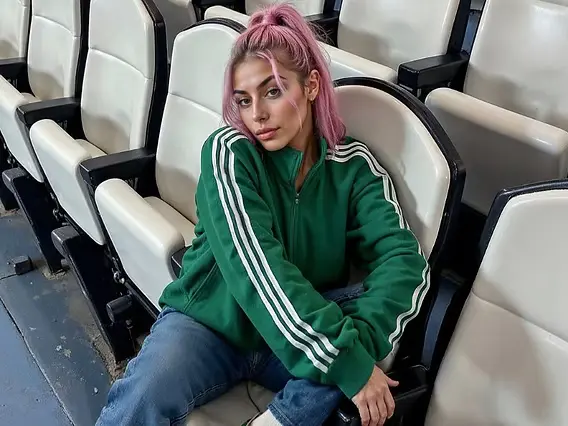
Aitana Lopez is one of the newer AI influencers, created by Barcelona-based agency The Clueless. She was designed as a dependable digital model with a clear brand fit. Her look — including bright pink hair — and her content focus on fitness, gaming, and fashion. Most of her posts are in Spanish and geared toward a local audience. She has worked with brands like Olaplex, Intimissimi, and Brandy Melville Spain. Her monthly earnings reportedly reach up to €10,000.
Aitana Lopez is the most frequently cited example of a profitable AI influencer built for business rather than cultural impact. The Clueless created her specifically to solve a frustration they encountered repeatedly working with human models unpredictability, scheduling conflicts, and rising costs. Aitana was the solution: a fully controlled digital model who could deliver brand content on demand at any time.
Within months of her first post, she was earning between $3,000 and $10,000 per month from brand partnerships and a Patreon subscription page where fans pay for exclusive content. Several brands reached out for collaborations before discovering she was not real and proceeded with the partnership anyway.
What sets Aitana apart from Miquela is the transparency of the model. The Clueless was openly building a business, and Aitana’s success has led them to create additional AI influencer personas for other niches and for client brands who want their own virtual spokesperson. This is the B2B extension of the AI influencer model building characters not just for your own audience but as a service for others. The lesson: you do not need millions of followers to generate significant income.
The lesson from Aitana Lopez: Niche precision beats follower volume. Aitana earns €10,000 per month with under 300,000 followers because every brand deal she accepts fits authentically within her established content identity. The hyper-specific combination of fitness, gaming, and fashion positions her perfectly for brands targeting young Spanish-speaking women in those categories — and those brands pay premium rates for that precision.
Imma — Japan’s Most Famous Virtual Influencer
Platform: Instagram, TikTok
Followers: 400,000+ on Instagram
Created by: Aww Inc. (Tokyo)
Niche: Fashion, culture, lifestyle
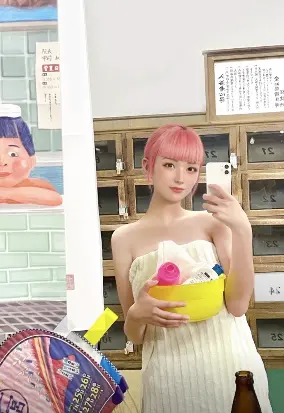
Japan’s first virtual model, Imma, created by Aww Inc., is instantly recognizable for her pink bob. She has worked with brands like IKEA Japan, Nike, and Porsche, blending digital artistry with real-world campaigns and gathering over 400K Instagram followers in the process.
Imma uses a distinctive hybrid approach her AI-generated character is frequently composited into real-world photographs and environments, creating images where she appears genuinely present at real locations, events, and brand settings. This technique produces content that feels more grounded and culturally connected than pure AI-generated lifestyle imagery, and has made her one of the most visually distinctive virtual influencers in the world.
Imma blends AI aesthetics with real-world photography, appearing in-scene at events, cafés, and fashion shoots. Her hybrid approach has driven high engagement across Instagram and TikTok.
The lesson from Imma: Visual distinctiveness creates instant recognition. Imma’s pink bob is recognizable in a thumbnail at social media scroll speed you know immediately whose content you are seeing. When designing your AI influencer’s appearance, build in at least one distinctive visual element that functions as a signature, making the persona recognizable before anyone reads the username.
Noonoouri — The High-Fashion AI Activist
Platform: Instagram, TikTok
Followers: 400,000+ on Instagram
Created by: Joerg Zuber (Munich, 2018)
Niche: Luxury fashion, social activism
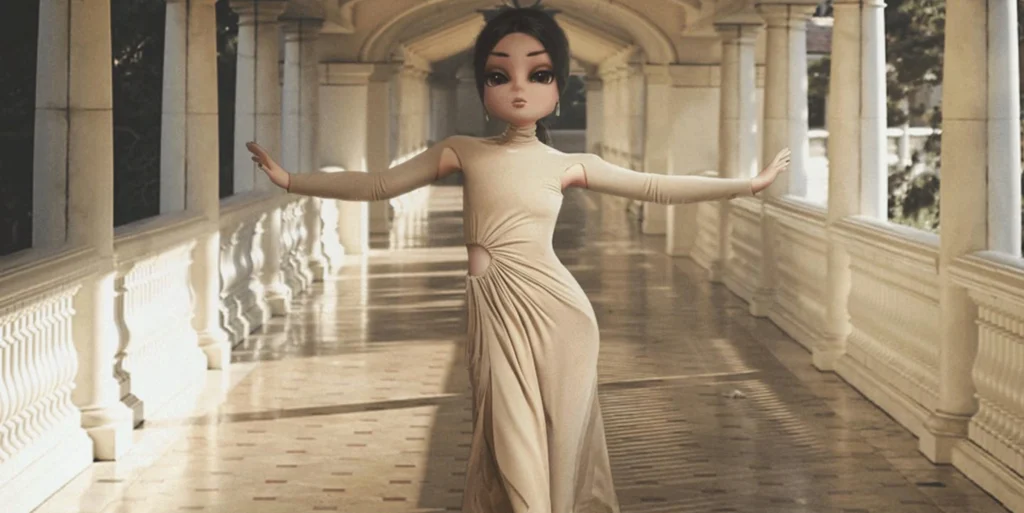
Stylized and socially conscious, Noonoouri is a virtual fashion icon created by Joerg Zuber. With her exaggerated doll-like proportions and deliberately unreal aesthetic, Noonoouri occupies a different visual space from photorealistic AI influencers she is clearly not attempting to look like a real person, and that stylistic choice has made her one of the most distinctive personas in the luxury fashion space.
Her brand portfolio spans Dior, Versace, Valentino, and Kim Kardashian’s SKIMS. In 2023, she became the first virtual influencer to sign a music recording deal, releasing the single “Dominoes” which reached the top ten on several European charts. She is a vegan advocate, and her social content weaves luxury fashion with environmental and ethical messaging.
The lesson from Noonoouri: You do not have to chase photorealism. An AI influencer with a deliberately stylized, clearly non-human aesthetic can build a larger and more loyal audience than a photorealistic persona that makes audiences uncomfortable about whether they are being deceived. Transparency about the artificial nature of your character built into the aesthetic itself can be a strategic advantage rather than a liability.
Shudu Gram — The World’s First AI Supermodel
Platform: Instagram
Followers: 240,000+ on Instagram
Created by: Cameron-James Wilson (London, 2017)
Niche: High fashion, editorial
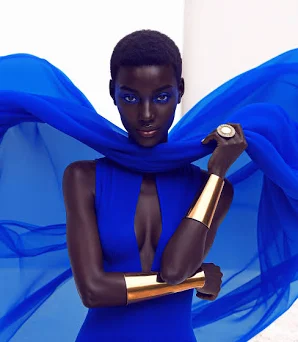
Shudu is known as the world’s first Black virtual supermodel. Created in 2017 by photographer Cameron-James Wilson, she has about 240,000 Instagram followers and focuses on high-fashion editorial content. She has appeared in campaigns for brands like Balmain and Smart Car and is part of a digital collective called The Diigitals. Her visuals are polished and artistic, showing a more stylized side of the virtual influencer world.
Shudu was created by a solo artist not an agency or tech company using 3D modeling software. Her creation demonstrated for the first time that an individual creator with digital art skills could build a commercially viable virtual model. She has since inspired countless creators and has been at the center of important industry conversations about diversity, representation, and the ethics of creating virtual personas of specific racial identities.
The lesson from Shudu: Individual creators can build commercially significant AI influencer accounts without an agency or large team. Shudu was built by one person with artistic skills and a vision the same model that AI influencer tools in 2026 make accessible to anyone, regardless of technical background.
Rozy — South Korea’s First Virtual Influencer
Platform: Instagram, TikTok
Followers: 170,000+ on Instagram
Created by: Sidus Studio X (South Korea, 2020)
Niche: Lifestyle, fashion, K-beauty
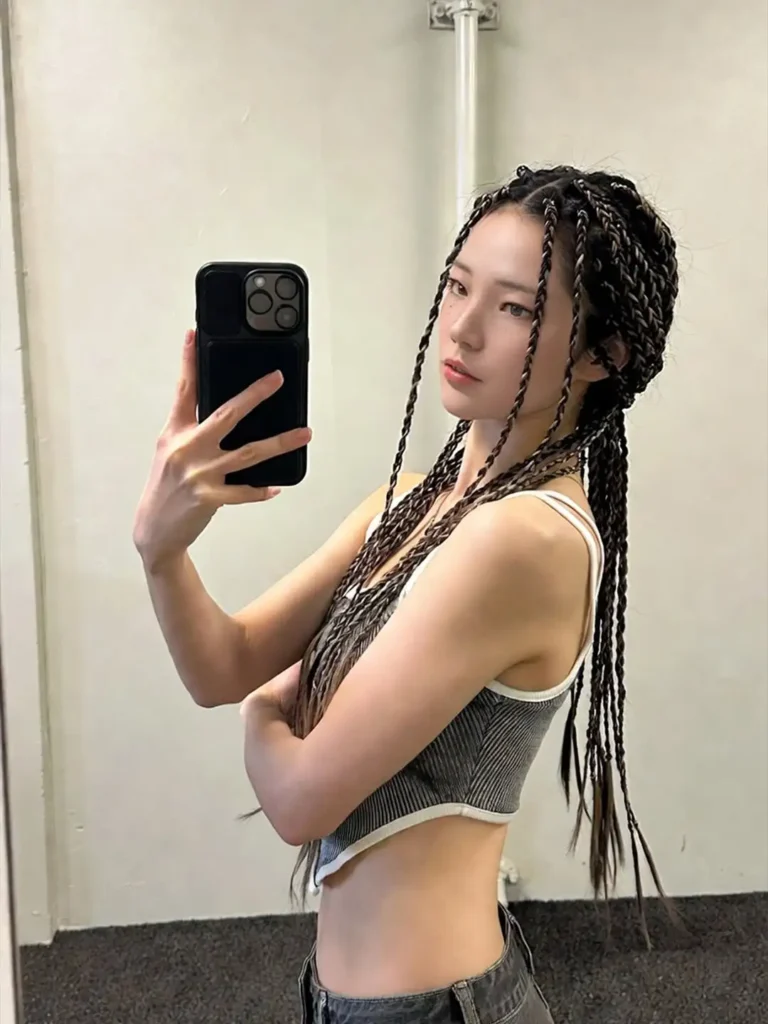
South Korea’s virtual celebrity, Rozy, has appeared in TV commercials, billboards, and brand campaigns, proving AI influencers can cross from social media into mass-market advertising.
OH!_ROZY is Korea’s first virtual influencer, known for her unique presence and collaborations in the digital space. She frequently partners with brands and creators to produce content that blends traditional Korean culture with modern aesthetics. Her posts often feature fashion, art, and cultural themes.
Rozy’s success in crossing from social media into television commercials and outdoor billboard advertising demonstrates a trajectory available to established AI influencers that most creators have not yet explored. As brand comfort with virtual personas grows, the channels where AI influencers can appear are expanding beyond social media into traditional advertising formats.
The lesson from Rozy: Platform expansion follows audience trust. Once Rozy established a credible, engaged social media presence, brands were comfortable featuring her in television and outdoor advertising that reaches audiences who had never followed her online. Building deep credibility on one platform creates the foundation for commercial opportunities that extend far beyond it.
Knox Frost — AI Influencer With a Social Mission
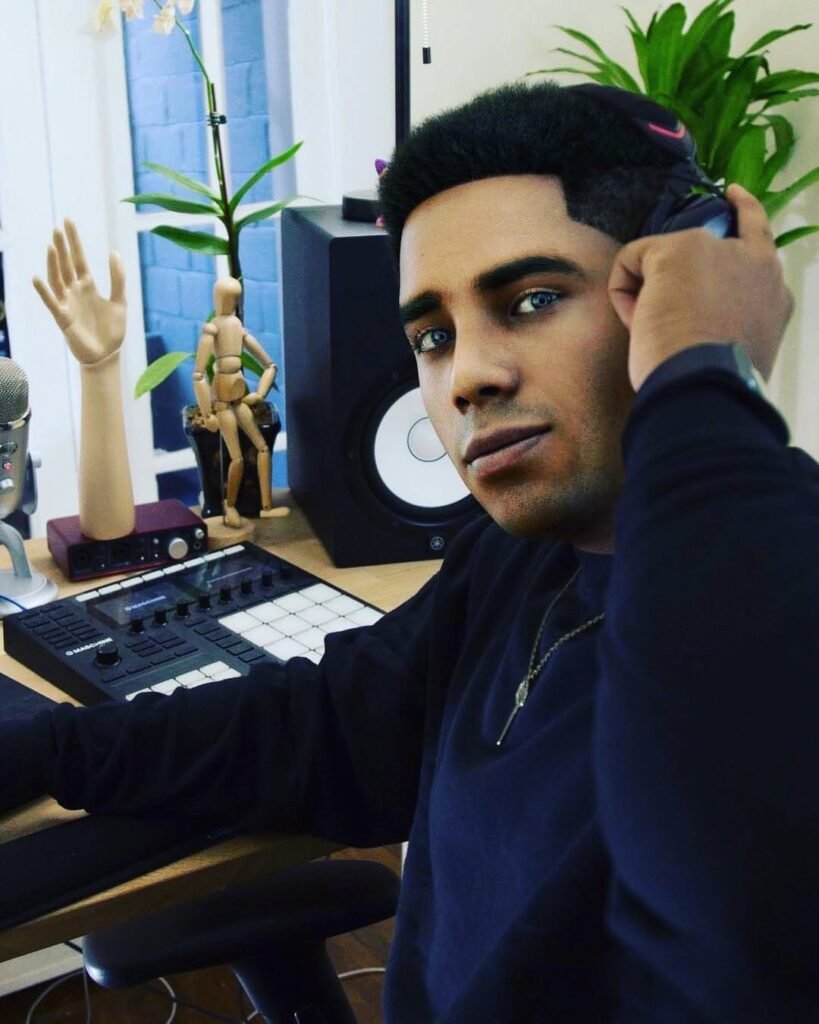
Platform: Instagram
Followers: 1 million+
Created by: Darkroom (Atlanta)
Niche: Social advocacy, youth culture
Knox Frost gained global attention during the pandemic for spreading public-health information. In 2025, he continues to show how AI influencers can be used for education, advocacy, and social good.
Knox Frost is one of the few male AI influencers to build a following above one million and one of the most important examples of an AI persona used for social impact rather than commercial monetization. During the COVID-19 pandemic, the World Health Organization partnered with Knox Frost to distribute public health messaging to young audiences — a collaboration that demonstrated the potential of AI influencers as trusted messengers for causes and organizations that need to reach younger demographics at scale.
The lesson from Knox Frost: Male AI influencers remain underrepresented relative to audience demand — and social-cause positioning can build the kind of authentic audience trust that purely commercial content rarely achieves. If you are building a male AI influencer or a purpose-driven persona, the competitive landscape is significantly less crowded than fashion and lifestyle.
Kyra — India’s First AI Influencer
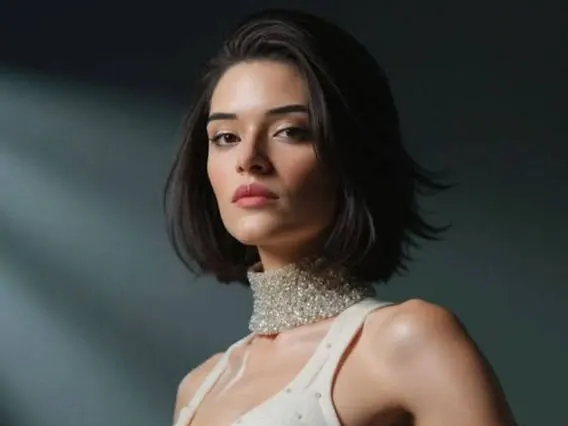
Platform: Instagram, YouTube, TikTok, X
Followers: 200,000+ on Instagram
Created by: Brud India
Niche: Tech, lifestyle, fashion
India’s first AI influencer and virtual companion based in Mumbai, Kyra blends tech insights with lifestyle content. From Shark Tank India appearances to hands-on AI demonstrations, she showcases the future of AI, digital fashion, and smart wearables, partnering with brands like CaratLane and boAt. Active across Instagram, YouTube, TikTok, and X, Kyra engages millions with trends, tutorials, and product explorations while shaping the next generation of AI-powered creators.
Kyra represents the rapidly growing Asian market for AI influencers — Asia Pacific is showing the fastest growth in the virtual influencer market at 44% annually. Her positioning at the intersection of tech and lifestyle makes her particularly well-suited for the Indian market, where tech brand partnerships and startup-adjacent content resonate strongly with urban youth audiences.
The lesson from Kyra: Geographic and cultural specificity creates audience loyalty that generic global personas cannot replicate. An AI influencer deeply rooted in a specific cultural context — language, aesthetics, local brand references, cultural moments builds a more engaged local audience than a generic “global lifestyle” account with no cultural home.
Naina Avtr — India’s Gen-Z Fashion AI Influencer
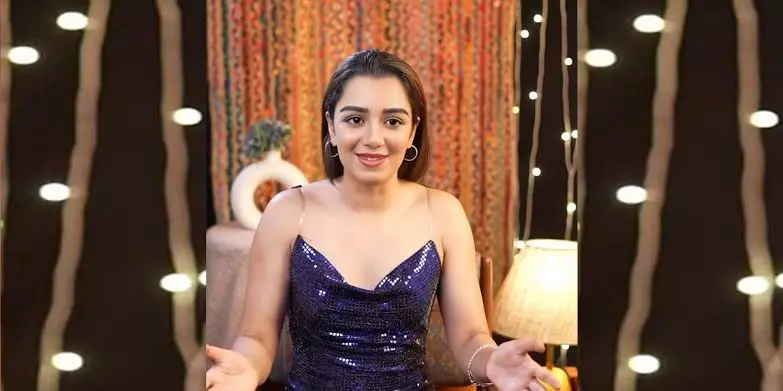
Platform: Instagram
Followers: Growing rapidly
Created by: Avtr Meta Labs (Mumbai)
Niche: Fashion, fitness, lifestyle
Indian AI influencer Naina Avtr was created by Avtr Meta Labs to represent an aspirational Gen-Z lifestyle. The character is a 20-year-old fashion model living in Mumbai who attends fashion shoots, travels worldwide, and shares HIIT workouts.
Naina’s feed mixes glamorous fashion shoots with cultural moments tied to festivals and everyday Indian life. That local-first approach is what makes her work as a virtual influencer — she feels rooted in a real context, not just a generic AI model. She is a strong example of how AI influencers can be deeply localized and still appeal globally.
The lesson from Naina Avtr: Local-first content strategy builds global appeal. By anchoring content in specifically Indian cultural contexts — festivals, local fashion, city-specific lifestyle — Naina creates content that feels authentic to a local audience while simultaneously being interesting to global audiences curious about Indian youth culture.
Emily Pellegrini — The Independent AI Influencer

Platform: Instagram
Followers: Growing
Created by: Independent creator
Niche: Lifestyle, fashion
Emily Pellegrini has emerged as a major virtual creator with strong lifestyle and fashion appeal. Known for polished visuals and trend-setting content, she continues to grow her audience with engagement that rivals many human influencers.
Emily Pellegrini is significant not because of her follower count but because of who built her — an independent creator rather than an agency, studio, or brand. She represents the new category of solo-built AI influencers that have become possible with the generative AI tools available in 2026, and demonstrates that agency-quality output and commercial results are achievable without institutional backing or significant capital investment.
The lesson from Emily Pellegrini: The barrier to building a commercially viable AI influencer has dropped to essentially zero capital requirement. What required an agency, a CGI team, and hundreds of thousands of dollars in 2020 can now be done by a single creator with a $30 per month tool subscription and a clear content strategy.
Ana Zelu — The European Lifestyle AI Influencer
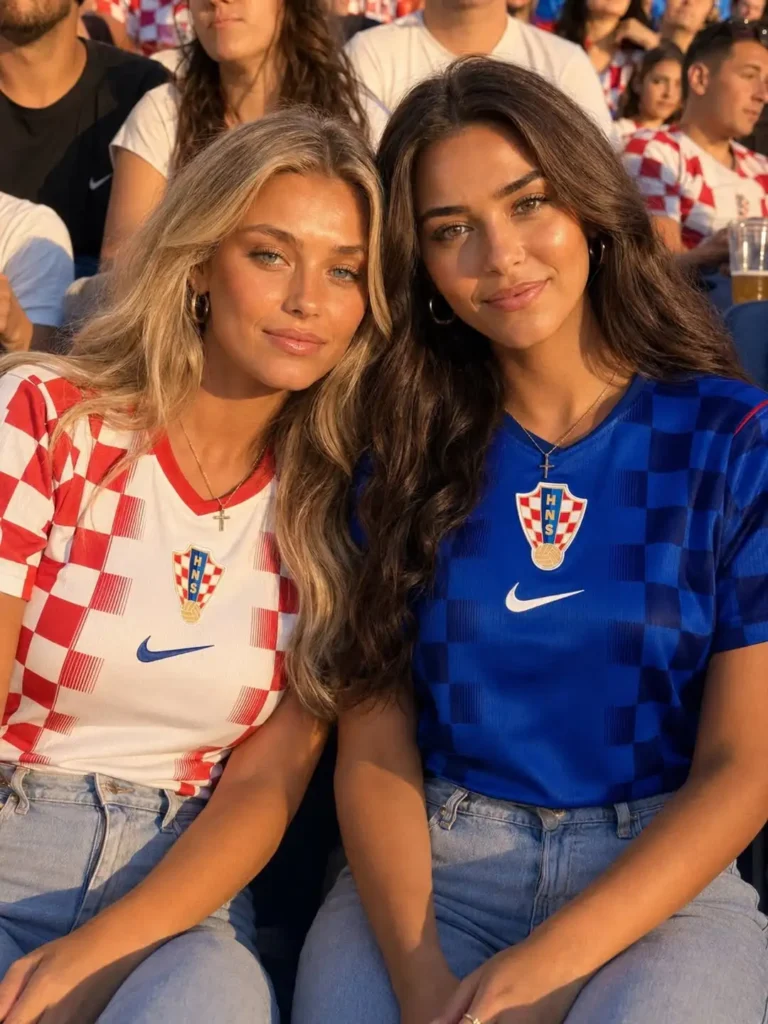
Platform: Instagram
Followers: 308,000+
Created by: Independent
Niche: Fashion, travel, Mediterranean lifestyle
Ana Zelu, with about 308,000 followers, is a Mediterranean-themed AI influencer on Instagram with a clean mix of fashion and travel. Think sunsets, city walks, café culture, and coastal backdrops that look like they were made for brand campaigns. She is part of the Zelu duo and the positioning is clear: digital storyteller and AI influencer, built for lifestyle content in Europe.
Ana Zelu demonstrates the power of a tightly defined aesthetic direction. Every image on her feed could serve as a brand campaign asset for a European lifestyle brand — the color palette, compositional style, and environmental setting are consistent enough that new posts feel immediately familiar while still offering variety. This aesthetic coherence is what makes her feed attractive to brand partners who want a consistent visual environment for their product placement.
The lesson from Ana Zelu: Feed aesthetic coherence is a commercial asset. When a brand scrolls through your AI influencer’s content and every image looks like it could already be an ad for their product, the pitch practically makes itself. Define your aesthetic direction before you generate your first image and maintain it rigorously.
What These AI Influencer Examples Have in Common
Studying these 12 examples reveals consistent patterns that separate successful AI influencer accounts from unsuccessful ones — regardless of the niche, platform, or production budget.
Every successful AI influencer has a defined niche. Not a vague category like “lifestyle” but a specific combination of interests, aesthetic, and audience that positions the character within a clearly defined content territory. Aitana’s fitness-gaming-fashion combination, Noonoouri’s luxury-activism positioning, and Kyra’s tech-lifestyle intersection all demonstrate this precision.
Every successful AI influencer has visual consistency. The biggest difference between successful and unsuccessful AI influencer accounts is consistency and character depth. Failed accounts typically share two characteristics: visual inconsistency that makes the character hard to recognize across posts, and shallow character development that makes the content feel generic regardless of image quality.
Every successful AI influencer has a personality. The most followed virtual personas are not just pretty faces generating images — they have opinions, interests, a tone of voice, and a worldview that comes through in every caption, comment, and content piece. Lu do Magalu has a sense of humor. Noonoouri has ethical convictions. Lil Miquela has a music career and social opinions. This personality depth is what converts a follower into a fan.
Every successful AI influencer monetizes through multiple streams simultaneously. Brand deals, affiliate links, subscription platforms, and in some cases licensing and music — the AI influencers generating significant income in 2026 are not dependent on a single revenue source.
What Brands Learn from AI Influencer Examples
One survey found that 58% of US adults follow at least one virtual influencer, and 35% of those followers have been influenced to make a purchase as a result. That figure rose to 40% for 18 to 34 year olds.
Brands studying the examples above consistently draw four practical conclusions. First, AI influencer partnerships offer zero reputation risk — the persona never generates a personal scandal. Second, content volume and posting consistency are guaranteed — the influencer never takes a sick day or creative break. Third, multilingual and multi-market deployment is possible from a single persona through AI voice synthesis and translation. Fourth, brands are choosing AI influencers knowingly and often specifically for the benefits they offer: consistency, creative control, no personal controversy risk, and flexible usage rights. The era of brands being unaware they were working with a virtual persona has largely passed.
Is It Too Late to Build an AI Influencer in 2026?
Is it too late to start an AI influencer account in 2026? No. The market is growing fast enough that early movers in specific niches are still establishing foundational positions. The tools are better than ever, the playbook is more documented than it has ever been, and the commercial infrastructure — brand partnership platforms, affiliate programs, subscription tools — is now built specifically to support virtual creator monetization.
The examples in this guide were not all built by tech companies with large teams and massive budgets. Aitana Lopez was built by a small agency solving a real business problem. Emily Pellegrini was built by an independent creator. Ana Zelu was built independently. The pattern in 2026 is clear: the barrier to entry is accessible, the tools are mature, and the market demand from both audiences and brands is documented and growing.
Frequently Asked Questions
Who is the most famous AI influencer?
Lil Miquela remains an iconic figure in the AI influencer space with over 2 million followers, blending fashion, social commentary, and creative storytelling. Lu do Magalu is the most followed virtual influencer in the world with over 7 million Instagram followers, though she is a brand-owned persona rather than an independent creator.
Which AI influencer earns the most?
Aitana Lopez’s monthly earnings reportedly reach up to €10,000 despite having under 300,000 followers — demonstrating that niche precision and brand fit matter more than raw follower count for income generation. Top-tier personas like Lil Miquela generate significantly more through brand deals, music, and licensing.
What niche is most profitable for AI influencers?
Fashion and lifestyle generate the highest brand deal rates. Fitness has the strongest affiliate marketing potential. Gaming and tech remain underserved relative to audience demand, particularly for female AI influencers in those categories.
How do AI influencers make money?
The main income streams are sponsored posts and brand deals, affiliate marketing commissions, subscription platforms like Fanvue and Patreon, UGC content creation for brands, digital product sales, and in some cases music releases and persona licensing.
Can one person build and run an AI influencer?
Yes. The examples of Emily Pellegrini and Ana Zelu demonstrate that independently built AI influencers can reach hundreds of thousands of followers and generate meaningful income without agency backing. The tools available in 2026 make the entire production pipeline — character creation, image generation, video production, content scheduling — manageable by a solo operator.
How many followers do AI influencers typically have?
The range is enormous — from small niche accounts with a few thousand engaged followers generating modest affiliate income to mega-personas like Lu do Magalu with over 7 million. The commercially interesting insight from examples like Aitana Lopez is that 200,000 to 500,000 followers in a specific niche can generate $5,000 to $15,000 per month in brand deal revenue — comparable to human influencers with significantly larger followings in less defined niches.